Tai Chi Quan Classes
Chen-Style Taijiquan (陈氏太极拳)
Chen-Style Taijiquan is the original and oldest of the five traditional family styles of Tai Chi Chuan. Formulated in the 17th century in Chenjiagou (Chen Village), Henan Province, China, it is the historical source from which all later major styles — Yang, Wu, Sun, and Wu/Hao — eventually developed.
Unlike the slow, uniform pacing often associated with modern Tai Chi, Chen Style is a dynamic martial art. It moves between grace and force, stillness and sudden release, offering a practice that is as physically alive as it is meditative.
What makes Chen Style distinctive
Chen Style is defined by a small number of core principles that set it apart from gentler, later forms of Tai Chi.
Silk Reeling Energy (Chan Si Gong, 缠丝功) — the foundational movement pattern of the style, where force spirals outward from the core (Dantian) through continuous, coiling motion.
Explosive Power (Fajin, 发劲) — sudden releases of stored elasticity, expressed through stomps, explosive punches, elbow strikes, and jumps, interspersed with moments of deep relaxation (Song).
Alternating rhythm — movement shifts rapidly between slow, meditative grace and fast, precise agility within the same sequence.
Low, deep stances — the practice builds strong lower-body rooting, leg endurance, and joint flexibility, while also carrying real martial application, including joint locks, throws, and strikes.
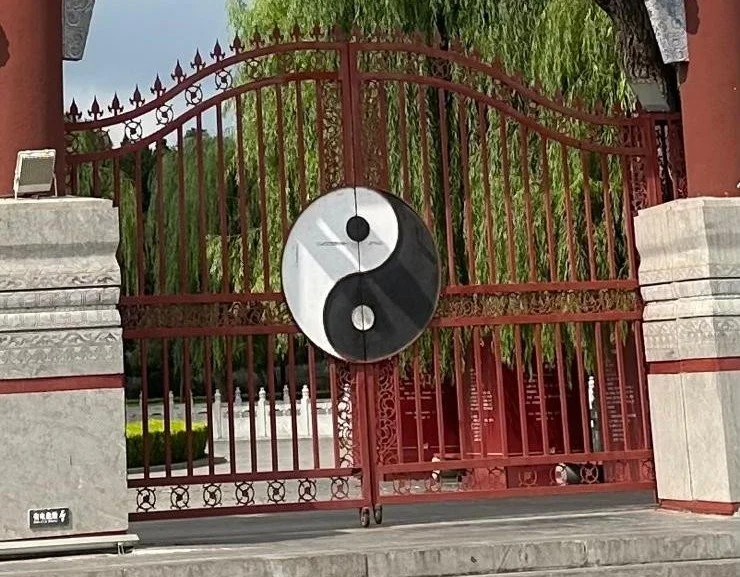
Youli Castle (羑里城) is an ancient historical site in Henan Province, China, famous as China's first recorded prison and the legendary birthplace of the 64 hexagrams of the I Ching (Book of Changes).
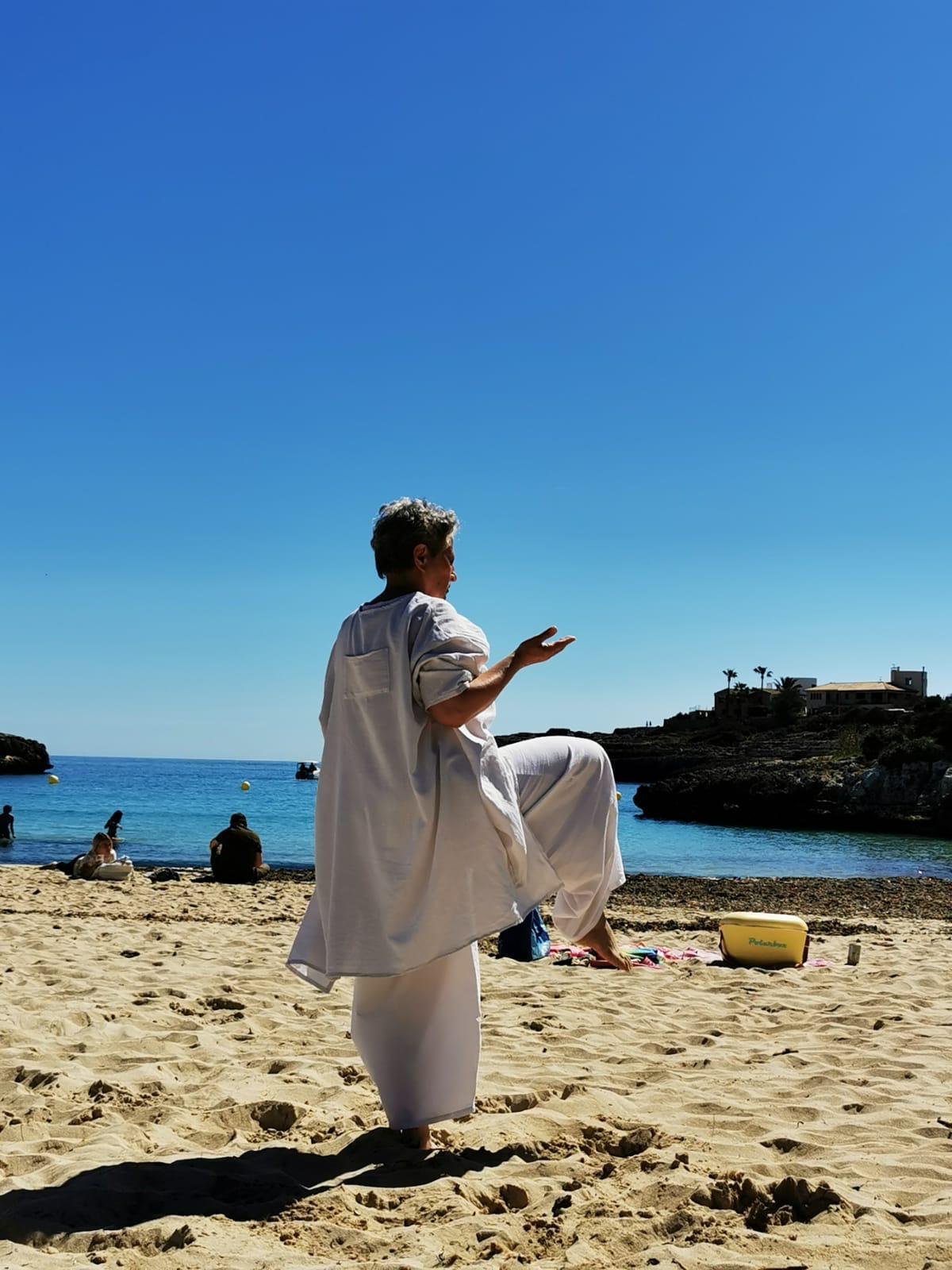
The forms
Chen Style is taught through several traditional frameworks, each with its own emphasis and history.
Laojia (Old Frame) — Developed by 14th-generation master Chen Changxing; broad, open movements that build core structure and internal momentum.│Routines: Laojia Yilu (First Routine, 74 forms); Laojia Erlu / Pao Chui (Cannon Fist, fast and explosive)
Xinjia (New Frame) — Developed in the 20th century by Chen Fake; tighter, highly refined spiral motion with explicit joint-locking (Chin Na) technique.│Routines: Xinjia Yilu (First Routine); Xinjia Erlu (Second Routine)
Xiaojia (Small Frame) — Compact, subtle outer movement paired with deep internal energy cultivation (Qi regulation).│Routines: Xiaojia Yilu; Xiaojia Erlu
Origins and lineage
Chen Style was created by Chen Wangting (1600–1680), a Ming Dynasty military general who wove together traditional martial combat techniques, Daoist breath control (Daoyin), and Chinese meridian and energy theory into a single system.
In the early 19th century, a scholar named Yang Luchan travelled to Chen Village to learn this closely guarded art from master Chen Changxing. Yang later adapted what he learned in Beijing, creating the gentler, slower-paced Yang Style that would go on to bring Tai Chi to a much wider public. Chen Style remains the root from which that entire lineage grew.
Practising with Dr. Elya Steinberg
Dr. Elya Steinberg – trained and officially accredited by master Liang Beiping in Henan, China – teaches Chen-Style Taijiquan as a living practice of body, breath, and attention, informed by their broader work in biodynamic body psychotherapy and Eastern martial arts, including Shaolin. Classes offer a way to build strength, flexibility, and rootedness, while also cultivating awareness, regulation, and presence in the body.
Whether you are new to Tai Chi or already practising, sessions welcome those interested in the physical, martial, and internal dimensions of this original style.
Contact
For questions or to request a place in Tai Chi Quan Classes, please feel free to get in contact. Go to the ‘Contact’ page, and in the ‘Subject’ box please select ‘Tai Chi Quan Enquiry’.
Place and Time
Place: Classes are held in NW11, London
Time: Classes are held every Thursday at 10am (no classes on Jewish holidays)
First class to be on Thursday 23rd September
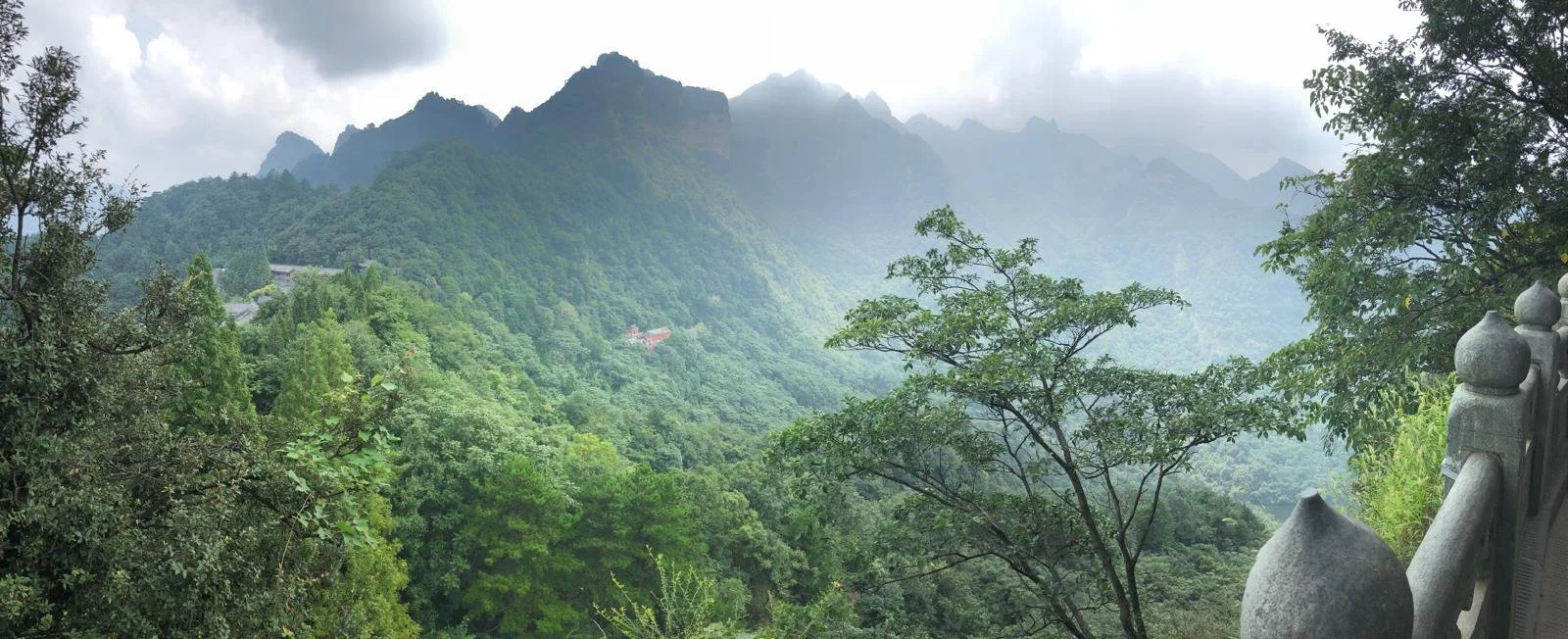
Nestled in Shiyan City, Hubei Province, China, Wudang Mountain is widely regarded as the spiritual birthplace of Tai Chi, where Taoist monks are said to have developed the practice by observing the fluid, yielding movements of nature.